Atlanta has some of the most dangerous roads in the country. The I-285 perimeter, I-85, Spaghetti Junction — if you drive in this city, you already know how quickly things can go wrong. And when they do, the decisions you make in the first hours and days after a car accident can determine whether you recover thousands or hundreds of thousands of dollars for your injuries.
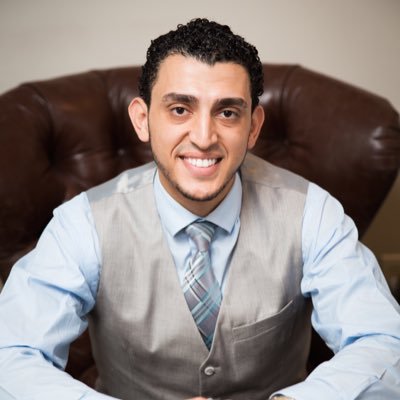
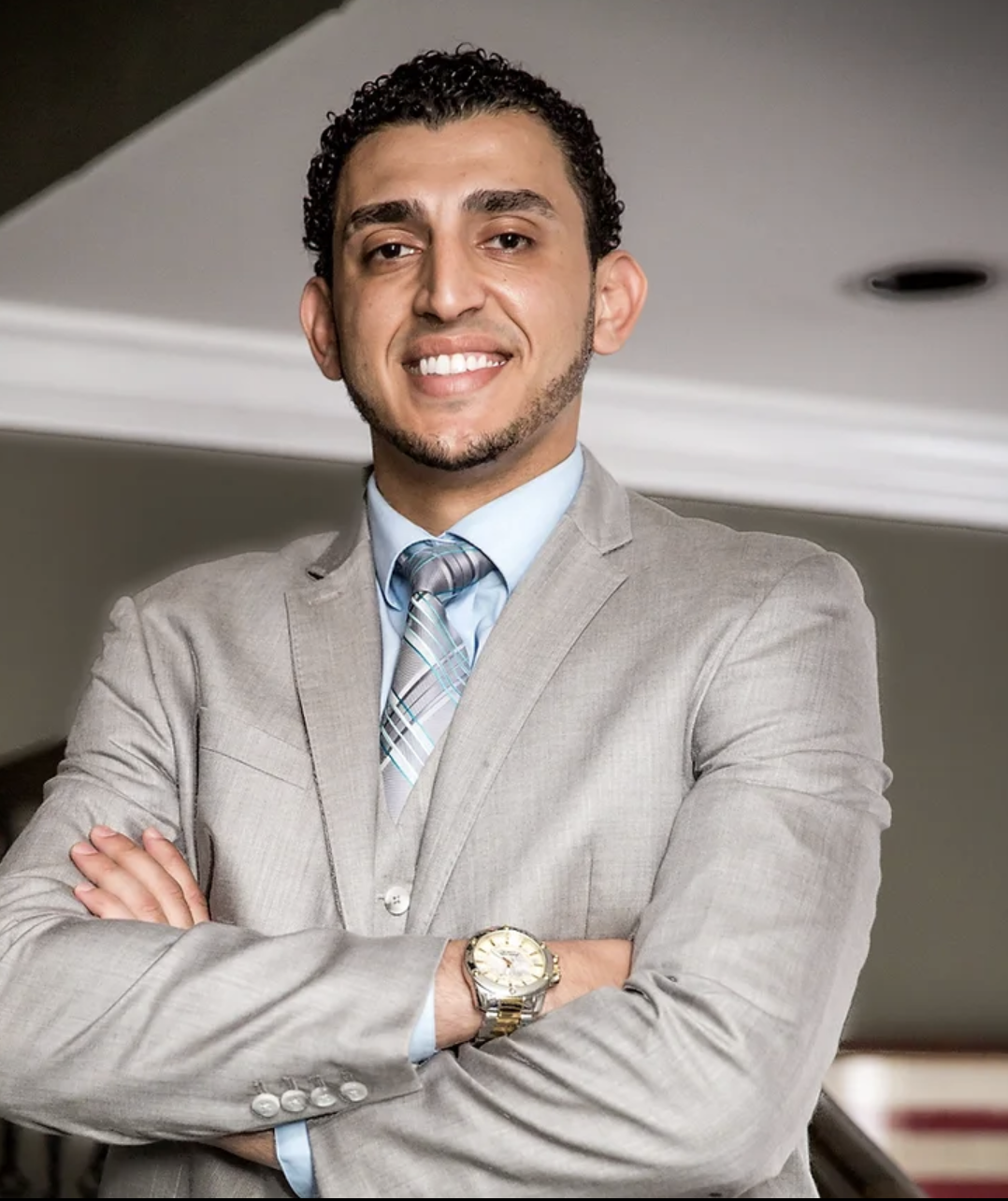
I am Ibrahim Awad, founder of the Awad Law Firm. Over my career, my firm has recovered more than $60 million for accident victims across Georgia. I have prosecuted over 100 felony cases, competed in 250 martial arts tournaments, and built a practice with offices in Atlanta, Marietta, and Dalton dedicated to fighting for people who have been hurt through no fault of their own.
Here is what I want every car accident victim in Atlanta to know.
Do Not Give a Recorded Statement to the Insurance Company
This is the single biggest mistake I see. Within days — sometimes hours — of your accident, the at-fault driver’s insurance company will call you. They will sound friendly. They will say they want to help resolve your claim quickly. Then they will ask if you can give a recorded statement about what happened.
Do not do it.
That recorded statement has one purpose: to be used against you. The insurance adjuster is trained to ask questions designed to get you to say something that minimizes your injuries, admits partial fault, or contradicts your medical records. I have seen insurance companies use a single sentence from a recorded statement to reduce a six-figure case to a five-figure offer.
You are not legally required to give a recorded statement to the other driver’s insurance company. Tell them your attorney will be in touch.
Get Medical Treatment Immediately — Even If You Feel Fine
Adrenaline masks pain. I have represented countless clients who walked away from their accident feeling okay, only to discover weeks later that they had herniated discs, traumatic brain injuries, or soft tissue damage that would affect them for years.
In our Cobb County case that resulted in a $900,208 jury verdict, the insurance company tried to argue that my client’s injuries were not serious because there was a gap between the accident and the first medical visit. Do not give them that argument. Get checked out at an emergency room or urgent care within 24 hours of your accident, even if you feel fine.
Your medical records from that first visit become critical evidence in your case. Without them, the insurance company will argue that your injuries must not have been that bad.
Document Everything at the Scene
If you are physically able to do so after the accident, take photographs of everything — your vehicle damage, the other vehicle, the road conditions, traffic signals, skid marks, and your injuries. Get the other driver’s insurance information and the names and phone numbers of any witnesses.
Call 911 and make sure a police report is filed. The police report is not the final word on fault, but it creates an official record of the accident that we can use to build your case.
Understand That Georgia Is an At-Fault State
Georgia follows a modified comparative negligence system. This means that if you are found to be less than 50 percent at fault for the accident, you can still recover damages — but your recovery will be reduced by your percentage of fault. If you are 50 percent or more at fault, you recover nothing.
Insurance companies exploit this rule aggressively. They will try to shift blame onto you, even when the other driver was clearly at fault. This is where having a trial-ready attorney matters. In my experience as a former prosecutor, I have learned that the best defense against blame-shifting is an overwhelming, meticulously prepared case that leaves no room for doubt.
Know What Your Case Is Actually Worth
Insurance companies will try to settle your claim for as little as possible. They have formulas and algorithms designed to minimize payouts. But every case is different, and those formulas do not account for the full impact an accident has on your life.
Your case value should include current and future medical expenses, lost wages and lost earning capacity, pain and suffering, emotional distress, and loss of enjoyment of life. In cases involving catastrophic injury, these numbers can be substantial.
We recovered $625,000 for a client with cognitive impairment after a wreck. We secured $754,000 for a rear-end collision that the insurance company tried to dismiss as “minimal damage.” We obtained a $500,000 settlement for a client who needed shoulder surgery. None of those results would have happened if our clients had accepted the insurance company’s first offer.
Do Not Post About Your Accident on Social Media
Insurance companies monitor social media. If you post photos of yourself smiling at a family gathering, the insurance company will argue you are not really in pain. If you post about activities, they will say your injuries are not limiting your life. Even innocent posts can be taken out of context and used against you.
My advice: stay off social media entirely while your case is pending, or at minimum, set all accounts to private and do not post anything related to your accident, injuries, or activities.
The Insurance Company Is Not on Your Side
I cannot stress this enough. Even your own insurance company — the one you pay premiums to — is not necessarily looking out for your best interests. Insurance companies are businesses. Their goal is to pay out as little as possible on every claim.
The adjusters are trained professionals whose job performance is measured by how much money they save the company. They are not villains, but they are not your advocates either. You need your own advocate — an attorney who has tried cases, who understands the insurance company’s tactics, and who is not afraid to take your case to trial if they refuse to pay what your case is worth.
Why the Awad Law Firm
With more than $60 million recovered for our clients, a background as a former prosecutor with over 100 felony trials, and a reputation as a lawyer who will actually go to court, I offer something that most personal injury attorneys in Atlanta cannot. I also train attorneys across the country at Awad Academy in trial advocacy, because I believe every injury victim deserves a lawyer who can fight in a courtroom — not just in a negotiation.
If you have been in a car accident in Atlanta or anywhere in Georgia, call my office at (706) 890-0000 for a free consultation. We have offices in Atlanta at 66 Lenox Pointe NE, in Marietta at 4076 Ebenezer Road, and in Dalton at 210 North Glenwood Avenue. You pay nothing unless we win your case.
Related Articles
- Georgia Personal Injury Laws: Your Complete 2026 Guide
- Uber and Lyft Accident Claims in Atlanta
- What Is My Personal Injury Case Worth in Georgia?
- Trucking Accident Claims in Georgia